

A protein-based 3D MgO network inspired by egg whites is emerging as a low-cost, high-efficiency thermal solution that could reshape heat management in next-gen devices.
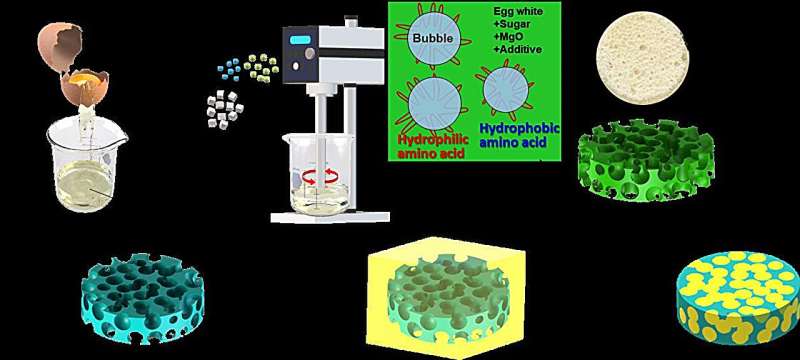
A research team at the Korea Institute of Materials Science (KIMS) has turned humble egg whites into a super-efficient heat-dissipating material, a breakthrough that could let devices cool faster and run more reliably. The new composite uses a 3-D network of magnesium oxide (MgO), crafted with a protein-foaming trick, boasting thermal conductivity up to 2.6 times higher than conventional composites.
Unlike typical thermal-interface materials (TIMs) where conductive fillers are randomly spread inside a polymer, a setup that often leads to “dead zones” and breaks in thermal pathways, this MgO network is continuous and densely interconnected. By harnessing the expanding nature of egg-white proteins under heat, the researchers built a 3-D skeleton that enables uninterrupted heat flow.
A composite with a thermal conductivity of 17.19 W/m·K, efficiently moving heat away from hotspots a feat that even beats standard aluminum-oxide or nitride-based fillers all while keeping costs and weight down (thanks to the cheap, lightweight MgO base). What makes this especially exciting is its real-world viability. By embedding the MgO network in epoxy resin, the kind commonly used in manufacturing the team produced a usable thermal interface material. That means this is not just lab curiosity but a candidate for real devices.
As electronics from 5G gear to EV-battery systems and high-performance servers get more powerful (and hotter), efficient thermal management becomes critical. Poor cooling not only throttles performance but can also affect longevity or even pose safety risks (think EV batteries overheating). This new material could improve device stability, boost performance, and offer a low-cost scalable solution.
The researchers claim that their protein-foaming method delivers eco-friendly, cost-effective, high-performance thermal materials, a strong demonstration that everyday biomolecules like egg whites can inspire next-gen materials.