




New electronic fabrics harvest solar energy and monitor health signals in real time.
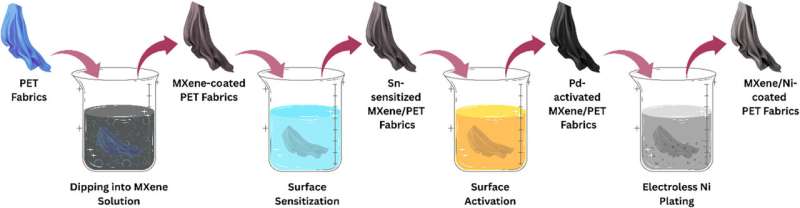
Researchers at Sydney Barrilleaux, University of Georgia are advancing a new generation of smart electronic textiles that could turn everyday clothing into wearable electronics capable of generating power, storing energy and monitoring health signals. The technology relies on advanced materials called MXenes, which enable fabrics to function as both sensors and energy systems.
A recent research review highlights how MXene-based fabrics could integrate sensing, energy harvesting and antimicrobial features into clothing, potentially transforming applications in health monitoring, fitness and wearable electronics. Unlike conventional wearables such as smartwatches that rely on external batteries, these textiles can generate electricity from sunlight and store it within thin layers embedded in the fabric. Researchers say the built-in energy system could operate sensors or even act as a flexible power bank capable of charging small devices such as smartphones.
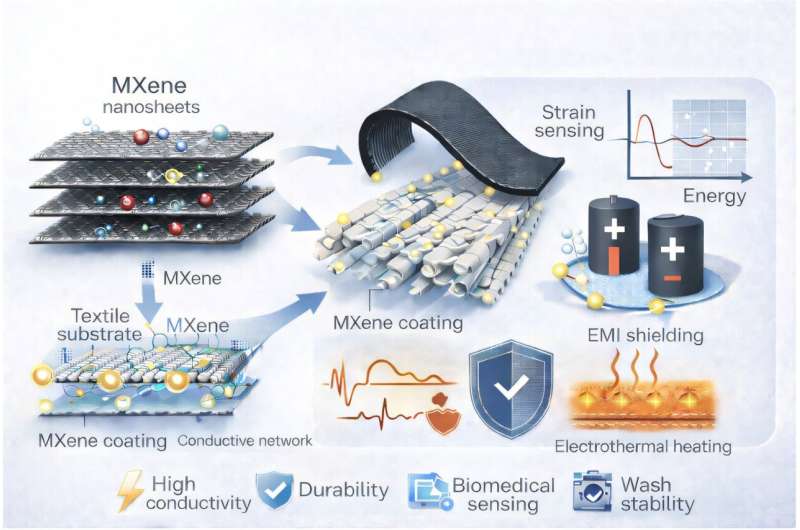
The fabrics combine MXene nanomaterials with conventional textile fibers, allowing electronic functions to be integrated without significantly altering comfort or flexibility. Sensors embedded in the material could track vital health metrics including heart rate, body temperature and blood pressure. Medical teams could receive alerts if the system detects abnormal signals, enabling continuous remote health monitoring.
Such electronic fabrics may also regulate body temperature and prevent microbial growth. MXene coatings can inhibit bacteria, making the technology particularly promising for hospital garments or medical textiles that require higher hygiene standards.
Beyond healthcare, researchers see potential for fitness tracking, defense equipment and next-generation wearable devices. Integrating electronics directly into clothing could reduce reliance on rigid gadgets and create a more seamless wearable ecosystem.
However, several technical hurdles remain before commercialisation. MXene materials are vulnerable to oxidation and moisture, which can degrade performance—especially when garments are exposed to washing or environmental conditions. Researchers are now investigating ways to improve durability and develop more sustainable fabrication methods.
Current MXene production also requires energy-intensive processes using metal-based compounds. Scientists are exploring greener approaches, including biodegradable material alternatives and protective coatings that extend device lifespan.
If these challenges are solved, smart textiles could evolve from experimental materials into a new class of flexible electronics, embedding sensors, power systems and connectivity directly into clothing. Such developments could reshape wearable technology by merging everyday fabrics with electronic functionality.
