





A sensor runs without batteries using indoor light to power climate tracking, reducing maintenance, cutting waste, and allowing placement across buildings.
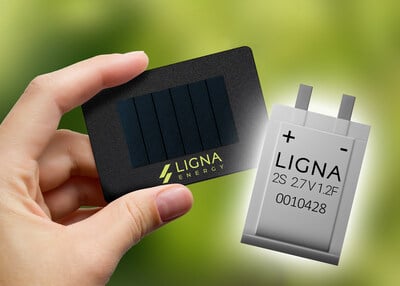
Ligna Energy has launched “Gwen,” a battery-free indoor climate sensor reference design. The device collects ambient energy, stores it in its S-Power 2S supercapacitor, measures temperature and humidity, and transmits data using Bluetooth Low Energy. The design removes batteries, allowing continuous operation and flexible placement in buildings.
Gwen is a battery-free, ultra-thin, and flexible smart card reference design for indoor climate sensing. It operates by harvesting energy from ambient light and, with Ligna’s wood-based S-Power supercapacitors, enables maintenance-free IoT sensors that eliminate battery waste. According to Electronics Era and Ligna Energy, it supports thin, self-sufficient sensor devices for buildings.
The system uses ambient indoor light energy harvesting to power sensing functions, removing the need for batteries. Its smart card form factor allows a thin and flexible design, making it suitable for discreet and long-term monitoring. It is powered by Ligna’s S-Power technology, which uses wood-based supercapacitors designed for high-frequency energy harvesting and instant power delivery.
The company raises a simple question: why not design building sensors like smart cards? Electronics are already thinner, use less power and are optimised for cost more than many traditional enclosures require. The company sees these constraints becoming relevant for smart buildings, where sensors need to be easy to place, less visible and suitable for large-scale deployment.
The design is suited for IoT use cases such as temperature and humidity sensing in buildings, reducing maintenance needs linked to battery replacement. It will also highlight indoor sensing concepts designed for long-term use, aiming to reduce maintenance and avoid battery waste. The company states that removing battery replacement can simplify operation and allow new placement options for sensors.
Its sustainability work includes lifecycle data for its S-Power supercapacitors, reporting a cradle-to-gate carbon footprint of 12 g CO₂e per unit, along with a third-party verified Environmental Product Declaration to support standardised reporting.

